The Hot Table Story Has No Memory
A hot table can shape the room’s mood, but it cannot forecast an independent round. Learn how to read streaks, check game rules, and choose when to pause.
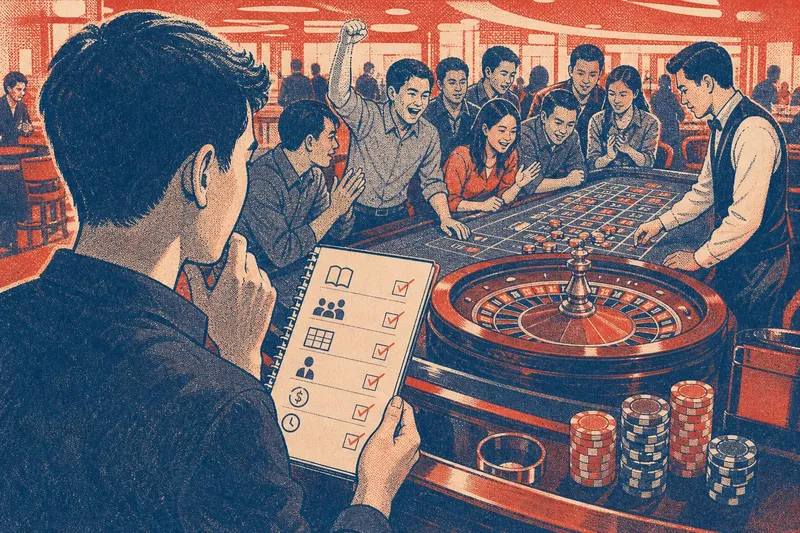
Several winning calls can turn a quiet table in Đồng Tháp into a crowd’s focal point. A “hot table” may describe that growing attention, but the phrase does not tell you what the next round will do. To make a sound choice, separate the room’s social energy from the game’s mechanics.
Why does a hot table draw a crowd?
People often gather around a table after a visible run of results, a dramatic moment, or lively conversation. The crowd can make the game feel like an event, even for someone who was only passing through.
That atmosphere is real, but it is not evidence about the next outcome. Notice whether you are interested in the game itself or being pulled along by the attention around it.
What does a streak tell you about a game?
A streak is a description of results already recorded. What it means for the next round depends on the game’s rules—not on the label “hot.”
In an independent game, one round does not change the mechanism for the next. In a card game with a changing supply of cards, earlier deals may affect what remains. Check how the particular game works instead of treating every run of results as a signal.
How can you separate table talk from game information?
Listen for whether someone is describing an event or urging a decision. “The same color appeared repeatedly” reports a record. “The table has energy tonight” describes a mood. “Choose that color now” is advice, and the speaker’s confidence does not make it reliable.
Imagine you arrive at a game where a small crowd applauds each win and invites you to join. You have not checked the rules, so you read the posted explanation before deciding. If it says each round is independent, the crowd’s excitement gives you no reason to favor the recent winner; you can join only if you want the experience and the play fits your personal limit.
What should you check before joining a lively table?
- Rules: Check whether earlier rounds affect what can happen next; if rounds are independent, do not use a streak as a signal, and if the available outcomes change, learn how before deciding to play.
- What the crowd is reacting to: Check whether people are responding to actual results or simply creating a social buzz; if it is mostly excitement, treat it as atmosphere, and if you cannot tell, observe without joining.
- How the game is presented: Check whether a display shows past results or explains the rules; if it shows only history, do not read it as a forecast, and if the rules are unclear, ask the operator or wait.
- Your reason for joining: Check whether you want to play or feel pressured to keep up; if pressure is driving the choice, step away, and if you genuinely want to play, decide on your limit before starting.
- Your spending boundary: Check whether the amount you intend to spend fits your personal limit; if it would exceed that limit, do not join or lower the amount, and if it fits, continue only if you still want to.
- Your time boundary: Check whether joining would push you past the time you set aside; if it would, leave the table for another activity, and if it would not, keep track of your stopping point.
What do players ask about a hot table?
Does “hot” mean the game is paying out?
The word may refer to recent results or to a lively crowd. By itself, it does not explain the rules or establish what comes next.
Can a streak be real without being a signal?
Yes. A run can accurately describe earlier outcomes without changing the next round in an independent game. Whether earlier events matter depends on the rules.
Are all casino games independent from round to round?
No. Some games use a changing set of available outcomes, while others resolve each round independently. Check the game’s instructions or ask the operator which mechanism applies.
Should you join because everyone else is watching?
A crowd can make a table entertaining, but attention does not make a particular outcome more likely. Join only if you understand the game and want to take part within your own limits.
When should you step away from the table?
Pause if you feel pushed to join, keep playing to recover a loss, or spend more because the crowd expects a win. Decide your time and spending limits before play, then stop when either limit is reached.
If gambling is causing distress or disrupting your finances or relationships, consider speaking with a qualified counselor or local support service. When a table gets lively, your most useful question is not whether it is hot, but whether you understand the game and still want to play.